
Yes, that’s correct.
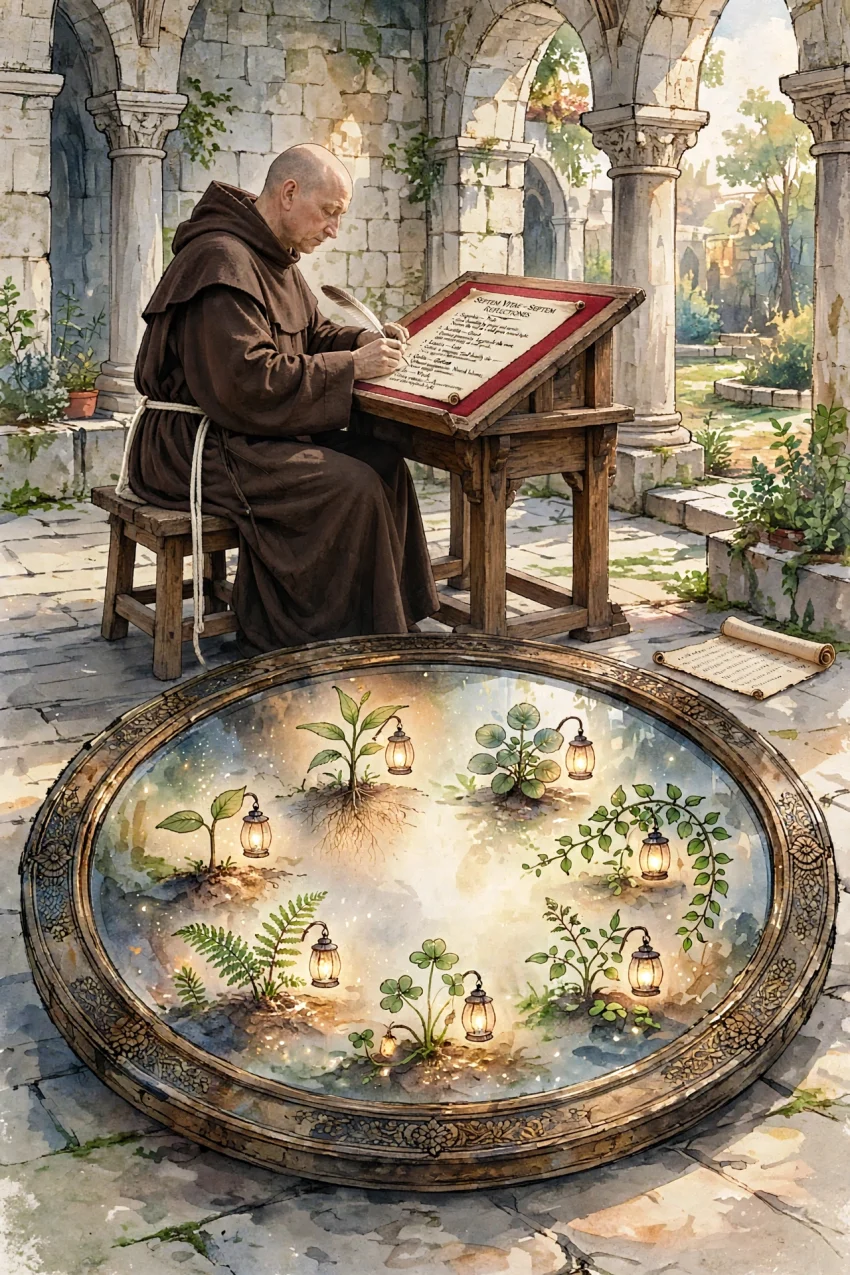
The story of the seven deadly sins begins not as a list of bad behaviours or moral warnings, but as a spiritual framework and therapeutic tool used by early Christian monks to understand the inner struggles that shape human conduct.
Monks observed thoughts, habits, and emotional patterns, helping people name what was driving distress, temptation, or disconnection. By identifying these using terms such as pride, envy, anger, and so on, these “therapist monks” created a structured way for people to reflect, address, and return to a more balanced spiritual life.
In this way the therapist monks of the early Christian tradition were offering something remarkably familiar for the modern-day seeker of spiritual connectedness: an approach that links self-awareness, observation of harmful patterns and understanding their roots, resolution, practicing change, and healing.
Whilst we may not subscribe to the notion of sin, we do see many people who are disturbed or distressed by their responses, reactions, actions, and so on to the harmful or unsupportive patterns in their life. By becoming aware, gaining knowledge and clarity, finding meaning and moving towards transformation through the spiritual exploration and healing of various shamanic practices, they create the space for the peace, purpose and sovereignty they are yearning to materialise.
At Wild Plains Medicine, our shamanic tradition uses Connection, Communion, Kindness, Adaptability & Resilience, and Thriving, for non-judgemental self-awareness, personal development, skill building, balance, peace & defence, leadership and community development.
Whatever your heritage or religion, don’t see tools as self-condemnation, but a chance to see how far you’ve come, and where you’re aspiring to go!
Warm regards,
Brad & Caroline